
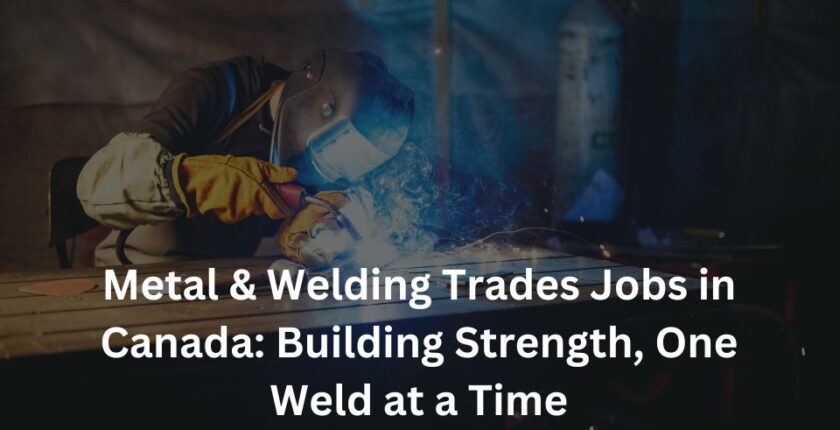
Metal & Welding Trades Jobs in Canada: Building Strength, One Weld at a Time
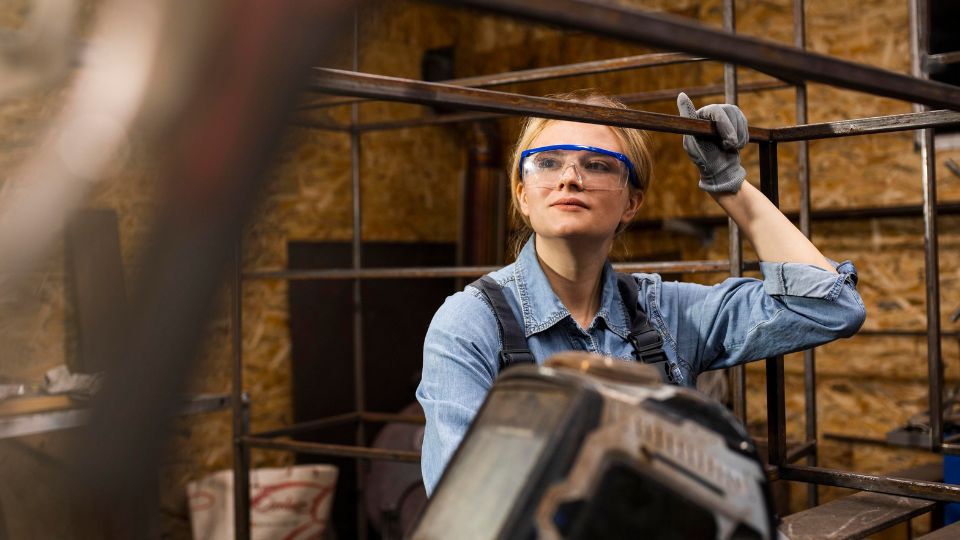
In the world of skilled trades, Metal and Welding professions are the silent architects of the infrastructure, machinery, and tools that shape modern life. From towering skyscrapers to intricate metal components in everyday appliances, these trades contribute directly to Canada’s growing industrial landscape.

If you’re looking for a hands-on, highly specialized, and deeply rewarding career, the metal and welding trades might be your perfect fit. Below, we explore some of the most in-demand roles in this field — all of which you can discover on TradesJob.ca.

Welder (TIG / MIG)

Welders are skilled professionals who join metal parts together using intense heat and specialized tools. Two of the most common welding methods are TIG (Tungsten Inert Gas) and MIG (Metal Inert Gas) welding.

  • TIG welders use a non-consumable tungsten electrode, ideal for precision work such as aerospace, automotive parts, and fine metal detailing.
  • MIG welders, on the other hand, use a wire feed system and are commonly seen in large-scale manufacturing, construction, and shipbuilding.

Welding is not just about melting metal — it requires technical knowledge, steady hands, a deep understanding of materials, and excellent safety practices. Welders work in various settings, from fabrication shops to remote industrial sites, often wearing protective gear to handle high-heat tasks safely.

Metal Fabricator

A metal fabricator is a tradesperson who constructs metal structures and components from raw materials. They use techniques such as cutting, shaping, bending, and assembling metal sheets or beams based on blueprints and engineering drawings.

Fabricators play a critical role in:

  • Building metal frames for machines, vehicles, or buildings
  • Creating custom metal parts for specialized equipment
  • Collaborating with engineers and welders for product completion

This role demands precision, creativity, and the ability to work with various tools and machinery, such as plasma cutters, grinders, and press brakes. Metal fabricators often contribute to industries like manufacturing, construction, and heavy equipment production.

Blacksmith

Blacksmithing is one of the oldest trades, yet still holds relevance in today’s skilled trades workforce. A blacksmith shapes metal by heating it in a forge and hammering it into desired forms — combining craftsmanship with utility.

Modern blacksmiths may:

  • Create architectural metalwork such as gates, railings, and fixtures
  • Restore historical items or work in artistic metalwork
  • Contribute to toolmaking, agriculture, and equestrian industries

Blacksmithing requires a keen eye for design, as well as knowledge of different types of metal, heat treatment processes, and traditional forging methods. It is both a physical and artistic trade, often appealing to those with a passion for working with their hands and a flair for creativity.

Foundry Worker

Foundry workers are essential to the metal casting industry, responsible for pouring molten metal into molds to create parts and components used in automotive, aerospace, and construction sectors.

This role includes:

  • Preparing molds and core boxes
  • Operating furnaces and ladles to melt and pour metal
  • Finishing and inspecting cast metal products

Foundry work is demanding, requiring physical stamina, attention to detail, and strict adherence to safety procedures. It’s a key part of large-scale manufacturing and infrastructure projects where mass metal components are needed.

Foundry workers are often the unseen heroes behind everything from engine blocks to street furniture and heavy-duty tools.

Structural Steel Worker

Structural steel workers help construct the skeletons of buildings, bridges, towers, and other infrastructure by erecting steel frameworks.

Their responsibilities include:

  • Reading blueprints and installing large steel beams and columns
  • Operating cranes, hoists, and rigging equipment
  • Welding and bolting steel structures into place

This role is vital in commercial and industrial construction, requiring a combination of strength, coordination, and an understanding of construction safety and engineering principles.

Structural steel workers often work at heights and in dynamic environments, contributing directly to some of the most impressive feats of modern architecture.

Start Your Career in Metal & Welding Trades with TradesJob.ca

Start Your Career in Metal Welding

At TradesJob.ca, we connect passionate tradespeople with employers across Canada who are actively hiring in the metal and welding sectors. Whether you’re just beginning your career or are a certified tradesperson ready for your next opportunity, you’ll find job postings tailored to your skills and experience.

From welders and blacksmiths to structural steelworkers and foundry operators, our platform helps you:

  • Browse current openings in metal trades
  • Apply directly to top employers
  • Discover apprenticeship or training programs
  • Learn about the latest industry trends

Build a Strong Future — One Weld at a Time

The metal and welding trades aren’t just jobs — they’re the foundation of Canada’s infrastructure and innovation. If you’re ready to forge your career with purpose and precision, visit TradesJob.ca  today and explore your future in the skilled trades.