
Mechanical & Industrial Trades: Powering Canada’s Industry with Skill and Precision
Mechanical and industrial trades are the driving force behind Canada’s manufacturing, energy, mining, and production sectors. These trades involve working with machines, metal, tools, and industrial systems that keep factories running, vehicles moving, and buildings functional. For those who enjoy hands-on work, solving problems, and working with powerful equipment, mechanical and industrial trades offer a rewarding and well-paying career path.
From maintaining heavy machinery to fabricating precision parts, these skilled trades are in high demand across Canada—especially in industries like construction, oil and gas, transportation, and aerospace.
Here’s an in-depth look at the most sought-after trades in this category:
Wages in mechanical and industrial trades (2026)
Job Bank data shows median wages of $30.00 to $49.00 an hour for these trades (roughly $62,400 to $101,900 a year full-time), and top earners in pipefitters and steamfitters reach $55.59 an hour (about $115,600).
| Trade | Median wage | Top earners | Alberta median | Median per year* |
|---|---|---|---|---|
| Boilermakers | $49.00/hr | $54.57/hr | $51.81/hr | $101,900 |
| Pipefitters and steamfitters | $43.89/hr | $55.59/hr | $44.90/hr | $91,300 |
| Ironworkers | $43.00/hr | $49.80/hr | $40.60/hr | $89,400 |
| Heavy-duty equipment technicians | $37.12/hr | $55.00/hr | $42.00/hr | $77,200 |
| Millwrights / industrial mechanics | $37.00/hr | $52.00/hr | $42.00/hr | $77,000 |
| Tool and die makers | $34.00/hr | $44.65/hr | $32.96/hr | $70,700 |
| Machinists | $30.00/hr | $41.50/hr | $36.50/hr | $62,400 |
| Welders | $30.00/hr | $47.00/hr | $38.00/hr | $62,400 |
Source: Government of Canada Job Bank wage data (NOC 2021), updated November 19, 2025. *Full-time estimate (40 hours × 52 weeks), rounded; actual pay varies with experience, region, overtime and union agreements.
Trades jobs hiring now
Careers in mechanical and industrial trades
Millwright (Industrial Mechanic)
Median wage: $37.00/hour (about $77,000 a year) · Top earners: $52.00/hour · Alberta: $42.00/hour
Millwrights, also known as industrial mechanics, are responsible for installing, maintaining, and repairing industrial machinery and mechanical systems in factories, power plants, and manufacturing facilities. Their work involves aligning and assembling machines, reading technical diagrams, and diagnosing mechanical problems.
Why it’s in demand: Every major industry—from automotive to food processing—relies on machinery. Millwrights are essential to minimizing downtime and ensuring smooth production.
Skills needed: Mechanical aptitude, problem-solving, precision alignment, and familiarity with hydraulics and pneumatics.
Heavy Equipment Technician
Median wage: $37.12/hour (about $77,200 a year) · Top earners: $55.00/hour · Alberta: $42.00/hour
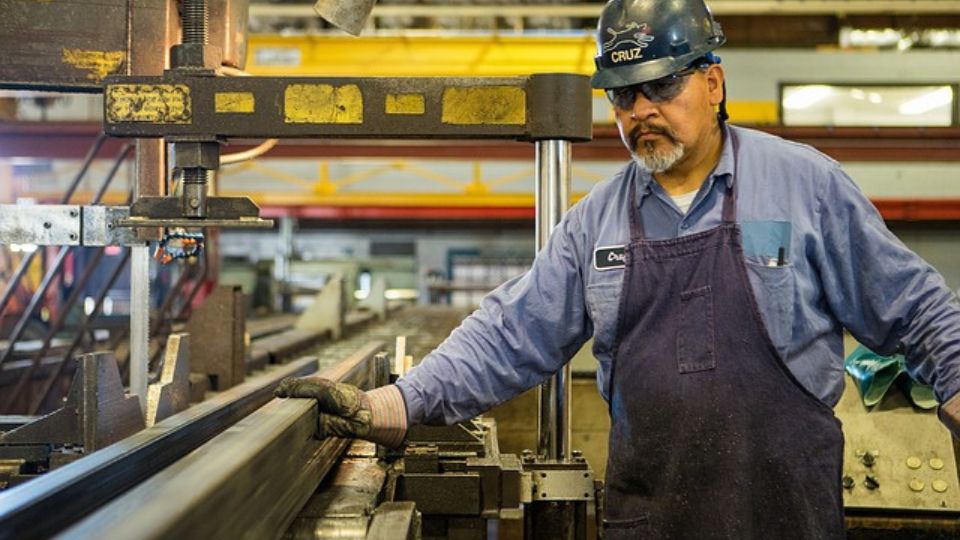
Heavy equipment technicians inspect, repair, and maintain large machines used in industries like construction, mining, forestry, and transportation. These machines include bulldozers, excavators, cranes, and loaders.
Why it’s in demand: As Canada continues to invest in infrastructure and resource development, skilled technicians are needed to keep equipment running efficiently and safely.
Skills needed: Diagnostic skills, mechanical repair, computer systems knowledge, and safety awareness.
Welder (Red Seal)
Median wage: $30.00/hour (about $62,400 a year) · Top earners: $47.00/hour · Alberta: $38.00/hour
Welders use heat and tools to join metals together in construction, manufacturing, shipbuilding, and more. A Red Seal-certified welder can work anywhere in Canada, opening doors to national and international projects.
Why it’s in demand: Welding is critical to structural integrity, and welders are needed across multiple sectors including energy, oil and gas, and transportation.
Skills needed: Steady hands, attention to detail, technical knowledge of metals and welding techniques, and safety precision.
Machinist
Median wage: $30.00/hour (about $62,400 a year) · Top earners: $41.50/hour · Alberta: $36.50/hour
Machinists operate precision tools to manufacture metal parts used in machines, vehicles, and equipment. They use lathes, milling machines, and grinders to shape materials based on detailed specifications.
Why it’s in demand: As manufacturing grows more advanced, machinists are essential for creating parts with exact measurements in industries like aerospace, defense, and medical device production.
Skills needed: High precision, math and measurement, blueprint reading, and machine programming.
Tool and Die Maker
Median wage: $34.00/hour (about $70,700 a year) · Top earners: $44.65/hour · Alberta: $32.96/hour
Tool and die makers create and repair the tools, dies, and molds used in manufacturing to cut, shape, and form metal and other materials. Their work supports mass production and automated processes.
Why it’s in demand: These professionals are vital to manufacturing operations and are key in creating custom parts for machinery and production lines.
Skills needed: CNC programming, technical drawing interpretation, meticulous accuracy, and knowledge of various materials.
Boiler Maker
Median wage: $49.00/hour (about $101,900 a year) · Top earners: $54.57/hour · Alberta: $51.81/hour
Boiler makers build, install, and maintain boilers, tanks, and pressure vessels that hold gases or liquids. They work in industries such as energy, shipping, oil refining, and manufacturing.
Why it’s in demand: Boilers are essential for heating, energy generation, and industrial processes. Boiler makers are needed to ensure systems run safely and efficiently.
Skills needed: Welding, blueprint reading, physical stamina, and strong understanding of pressure systems and safety regulations.
Pipefitter / Steamfitter
Median wage: $43.89/hour (about $91,300 a year) · Top earners: $55.59/hour · Alberta: $44.90/hour
Pipefitters and steamfitters install and maintain piping systems that carry steam, gas, or other fluids in commercial and industrial buildings. They work on high-pressure systems in power plants, hospitals, and factories.
Why it’s in demand: With complex heating and cooling systems in modern facilities, steamfitters are essential for maintaining critical infrastructure.
Skills needed: Knowledge of pipe systems, welding, blueprint reading, and attention to safety protocols.
Ironworker
Median wage: $43.00/hour (about $89,400 a year) · Top earners: $49.80/hour · Alberta: $40.60/hour
Ironworkers assemble and install the structural steel framework used in buildings, bridges, towers, and industrial facilities. Their work is high above the ground and often involves rigging, bolting, and welding steel components.
Why it’s in demand: As construction and infrastructure projects expand, ironworkers are key to ensuring stability and safety in large-scale builds.
Skills needed: Physical strength, comfort with heights, steel fabrication knowledge, and a strong focus on safety.
Locksmith
Locksmiths install, repair, and maintain locks, security systems, and safes for residential, commercial, and institutional clients. They also offer emergency services for lockouts and security upgrades.
Why it’s in demand: With increasing focus on security and access control, locksmiths are needed for both traditional mechanical systems and modern digital solutions.
Skills needed: Precision, problem-solving, manual dexterity, and customer service.
CNC Machine Operator
CNC (Computer Numerical Control) machine operators control automated machinery that cuts, drills, and shapes metal and plastic parts with extreme precision. They follow detailed programs and inspect finished products for quality.
Why it’s in demand: CNC operators are crucial to high-tech manufacturing, including aerospace, automotive, and medical equipment production.
Skills needed: Machine programming, technical blueprint reading, measurement accuracy, and mechanical knowledge.
Why Pursue a Career in Mechanical & Industrial Trades?
Mechanical and industrial trade jobs offer some of the most stable and highest-paying careers in the skilled trades. These roles are in high demand across Canada due to continued investment in manufacturing, energy, transportation, and infrastructure.
✔ High Earning Potential: Job Bank data shows median wages of $30.00 to $49.00 an hour for these trades (roughly $62,400 to $101,900 a year full-time), and top earners in pipefitters and steamfitters reach $55.59 an hour (about $115,600).
✔ National Certification: Red Seal trades allow mobility across provinces.
✔ No University Degree Required: Most trades require apprenticeships or technical training.
✔ Career Growth: Many workers advance to supervisory roles, become specialists, or start their own businesses.
✔ Job Security: These trades are essential to industry and infrastructure—making them recession-resistant.
If you’re mechanically inclined, enjoy working with tools, or want to be part of building Canada’s industrial future, the mechanical and industrial trades offer a powerful path forward.
Discover career opportunities in mechanical and industrial trades at TradeJobs.ca—Canada’s job portal for skilled trades professionals.
Explore more trade careers
Find your next trades job
Set up a free job alert for your trade and location, and upload your resume so employers can find you.
Frequently asked questions
What is the highest paying job in mechanical and industrial trades?
By national median wage, boilermakers earn the most in this group at $37.66 an hour, and top earners in boilermakers reach $49.00 an hour, according to Job Bank wage data updated November 2025.
How do I start a career in mechanical and industrial trades?
Most of these trades start with an apprenticeship: you find an employer willing to train you, register with your province or territory’s apprenticeship authority, and combine paid on-the-job hours with technical training. For Red Seal trades, passing the Red Seal exam lets you work across Canada.
Do these trades pay more in Alberta?
Often, yes. For 8 of the 8 trades in the table above, Alberta’s median wage is higher than the national median. Pay also varies with experience, overtime and remote-site work.